Work with a useful colour family
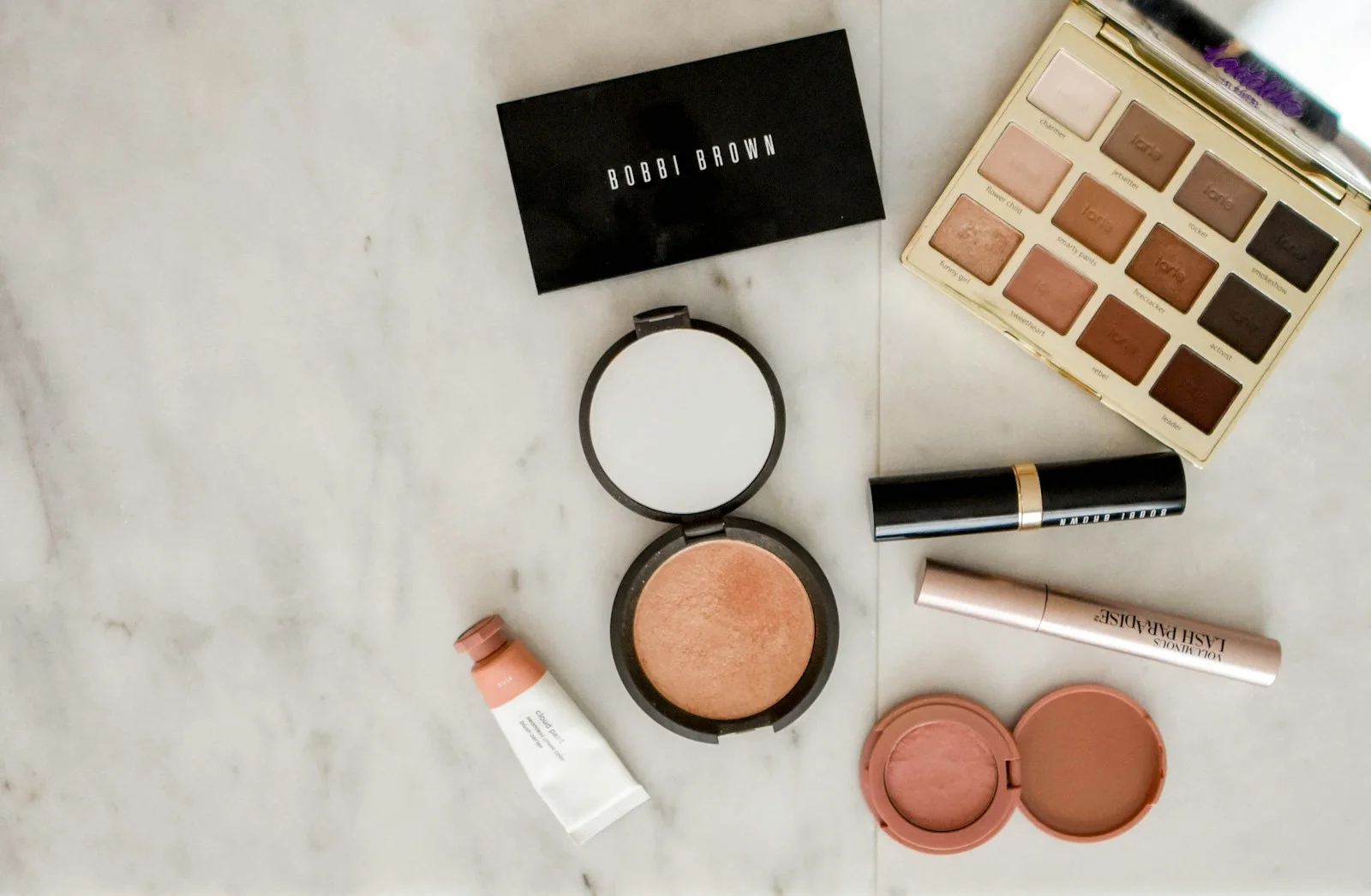
An eyeshadow palette can contain plenty of possibilities without needing every shade in one look. For ordinary days, identify the colours you enjoy beside your clothes. Warm browns may sit comfortably with camel and cream; cooler neutral shades may feel natural alongside grey or navy. These are starting points for personal taste, not rules attached to your colouring.
Put the palette beside a favourite daytime outfit and look at the overall mood. If most of your wardrobe is relaxed, a softly defined eye may feel easier to wear than a detailed finish. If makeup is your favourite expressive accessory, stronger colour can be the focal point. The useful question is what you want to notice first.
Direction one: an understated weekday
For a simple weekday approach, choose one comfortable shade and apply it only as directed for the product. Keep the rest of the face at the level of coverage you prefer. A familiar lip colour can make the result feel intentional without requiring every product in your collection. The aim is a repeatable combination rather than a technically elaborate tutorial.
Check the look in the light where you usually get ready, then in ordinary daylight if possible. Bathroom lighting can change how a colour appears. You do not need to purchase a professional lighting setup for this; a clear view near a window may be enough to understand whether the effect feels softer or stronger than expected.
Direction two: a lunch or afternoon outing
For a slightly more dressed finish, build on the weekday combination with a second shade you enjoy. Keep the distinction clear: perhaps additional definition, perhaps a different lip finish. Changing one element at a time helps you judge the effect and makes the look easier to recreate later. Take a quick note of the combination if remembering the shade names is difficult.
Consider clothing and accessories as part of the same decision. A patterned blouse, bright earrings and several strong makeup colours can compete for attention if you prefer an understated result. You may love that expressive combination, but it should feel chosen. For a quieter direction, let the garment carry the pattern and echo one supporting colour in your makeup.
Direction three: a deliberate evening
An evening look does not require an entirely separate collection. You might choose a deeper shade from the same palette or a stronger lip colour, while leaving the rest familiar. Allow time to remove or adjust the result if it does not feel comfortable. Leaving in five minutes is rarely the best setting for experimenting with an unfamiliar technique.
Do not assume every decorative cosmetic is intended for every area. Follow the manufacturer's directions, particularly around the eyes. The FDA advises keeping eye cosmetics clean and avoiding sharing them. If irritation develops, stop using the product; persistent concerns deserve appropriate professional advice. An attractive effect is never a reason to ignore discomfort or use something against its instructions.
When another purchase adds nothing
Before buying a new palette, compare the shades you actually use with the new selection. A large palette may offer variety, but unused colours do not make it better value. A single replacement shade can be more sensible if one everyday colour is all that is missing. Check the exact format and retailer's return rules before purchasing.
Keep brushes and applicators maintained according to their instructions, close compacts after use and store the collection appropriately. Review products for changes and follow applicable shelf-life guidance. A smaller selection is easier to understand and maintain, leaving room for creativity within familiar choices. Three different directions can come from proportion and emphasis rather than three shopping trips.
Sources & buying notes
Read how we put our guides together, or flag a correction at [email protected].