This article contains an affiliate link. We may earn a commission on purchases through it. Buying advice is editorial and does not imply hands-on testing.
Define comfortable for your own day
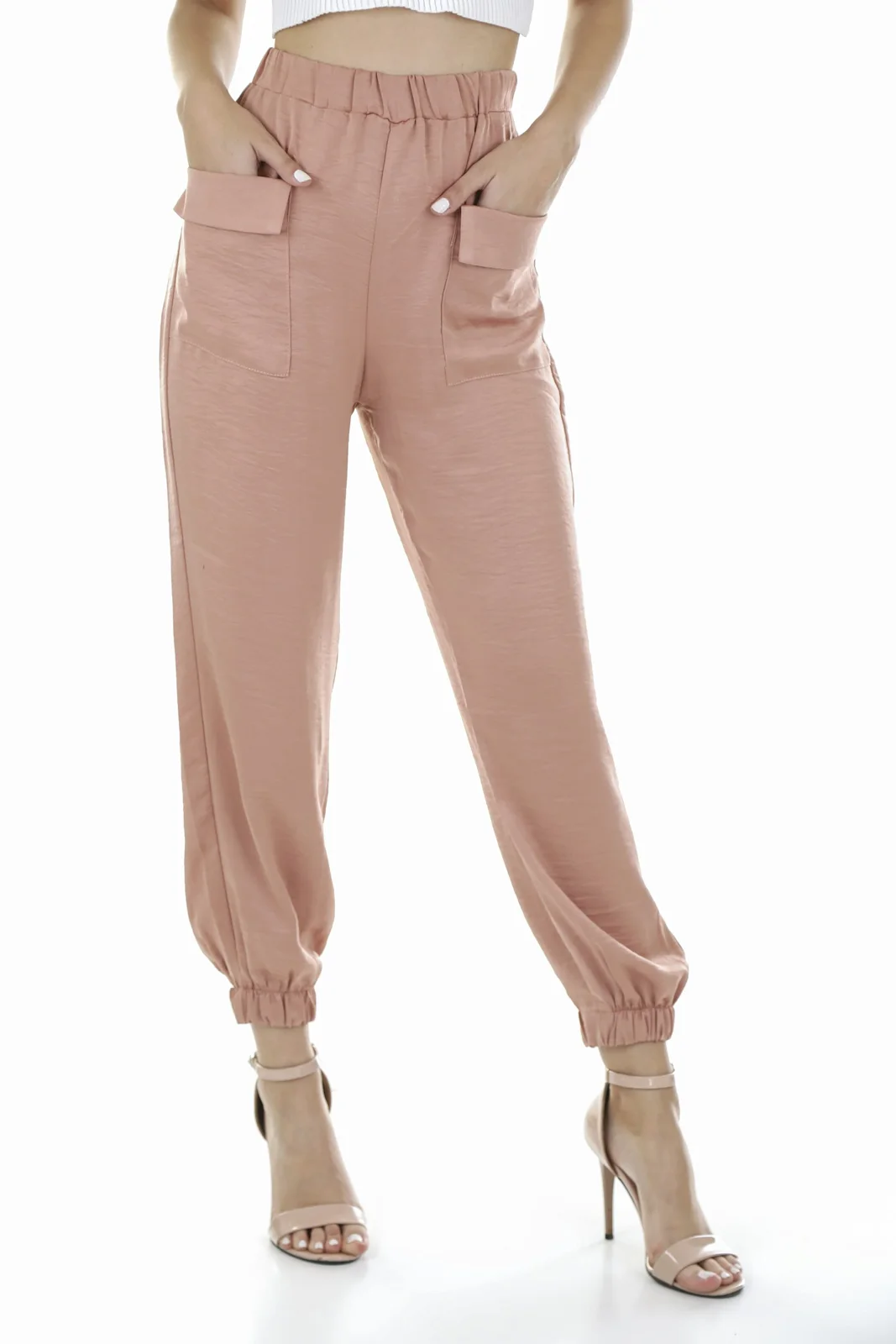
Comfortable trousers should support the way you spend time: sitting at a desk, walking between appointments, working at home or meeting friends. A loose silhouette is not automatically comfortable, and stretch alone does not solve a poor fit. Start with a pair you enjoy wearing and identify the useful details. This article provides buying criteria rather than a review of the trousers in the photograph. Note the rise, waistband, leg shape and fabric feel you prefer. Those observations make online information and fitting-room decisions more meaningful than relying solely on a familiar number printed inside the garment.
Measure and compare with context
Consult the retailer’s measurement instructions and use its current size chart. Distinguish body measurements from garment measurements when both appear. If you compare a favourite pair at home, measure it in a consistent way and remember that fabric, construction and intended fit can change how the same dimensions feel. Do not choose a size because you think you should fit a particular label. If shopping for casual options, Lily & Me clothing is one retailer to browse, using its official size guide and individual product notes. We have not tested its trouser fit or comfort.
Check the waistband while sitting
Try the trousers standing, then sit for more than a moment. Notice pressure at the waist, movement through the hips and whether the fastening pulls. An elasticated section may be useful, but check how it feels and whether it sits smoothly under the tops you wear. A drawstring can provide adjustment without fixing every fit issue. If the waistband needs constant lifting or folding, consider a different cut rather than assuming you must adapt to it. Pockets should remain usable without creating uncomfortable bulk. Practical fit is more important than a neat front-view photograph.
Match the rise and leg to existing clothes
Try the trousers with a representative top and the shoes you will use most often. Check whether the rise supports a tucked outfit comfortably and whether the hem works with your preferred sole height. A wider leg can require different length choices from a tapered one. Avoid buying new shoes simply to make an otherwise inconvenient hem workable unless you deliberately want both purchases. If alterations are needed, seek a realistic estimate and understand whether the construction permits them. The total cost should include making the garment useful, not just taking it home.
Read fabric and care information
Composition can help you understand the garment, but it does not tell you everything about weight, texture or performance. Look for the seller’s description of construction and inspect the fabric in person when possible. Check transparency and how the material behaves around knees and pockets while moving. Read the care label before assuming it can join your normal wash. A trouser that requires maintenance you dislike may be worn less often even if the fit is good. We do not make durability claims without testing, and price alone is not evidence that a pair will last longer.
Run the at-home outfit test
Keep tags intact and follow the retailer’s return conditions while trying the trousers with several existing outfits. Check them in daylight and sit in your usual chair. Walk enough to notice whether the waistband or hem needs adjustment. Your checklist is suitable rise, comfortable seated fit, manageable length, usable pockets, compatible tops and realistic care. If one criterion fails, decide whether an alteration can solve it before committing. Buying fewer pairs that work through a normal day may be more useful than collecting several nearly right options. The best size is the one that lets you wear the garment comfortably.
Sources & buying notes
Read how we put our guides together, or flag a correction at [email protected].